SEEKERS
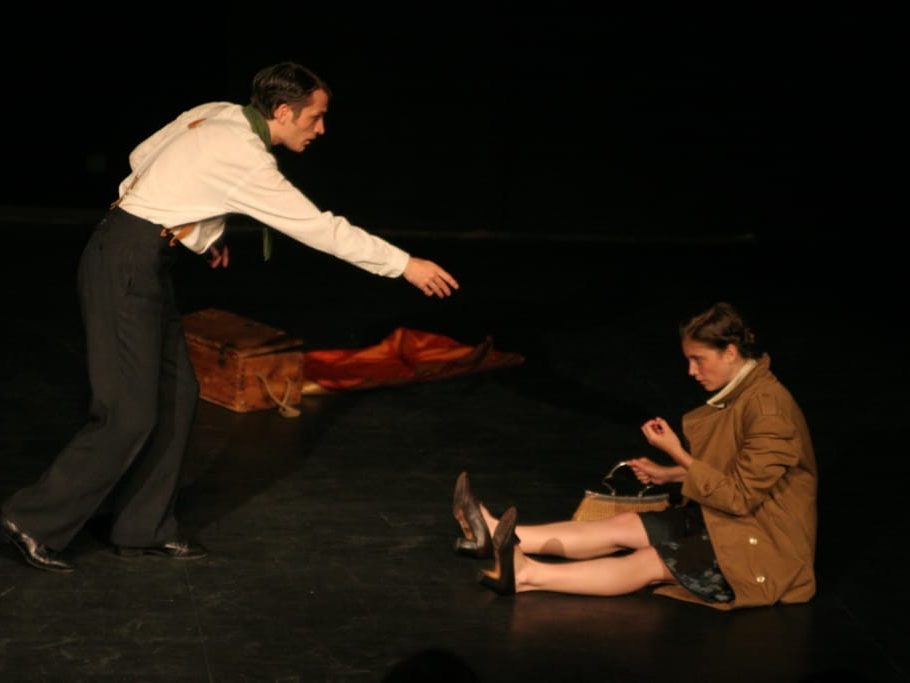
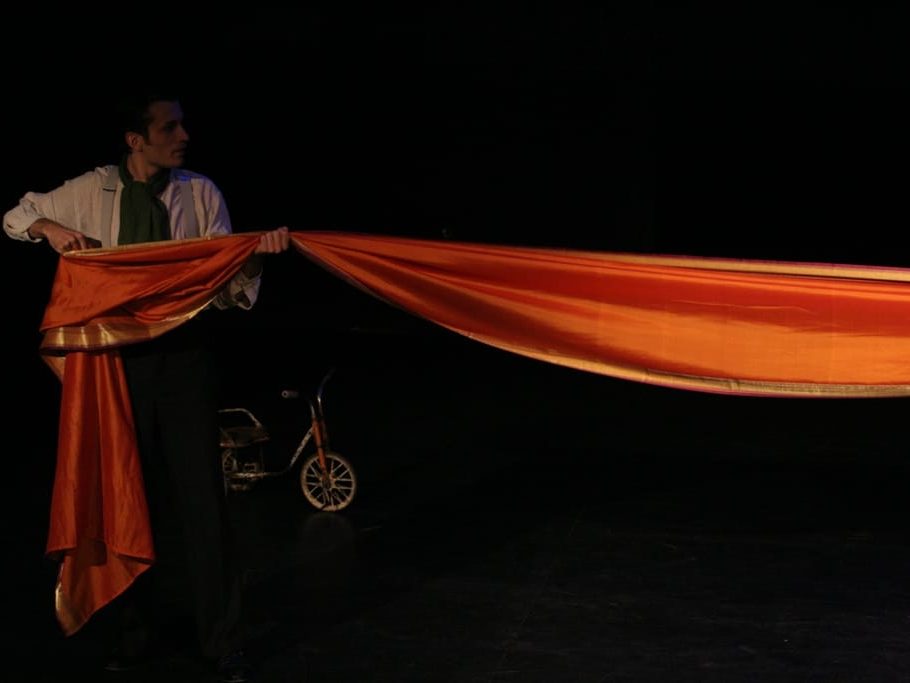
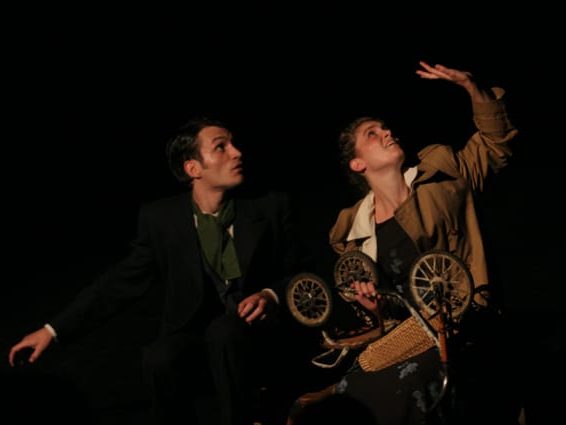
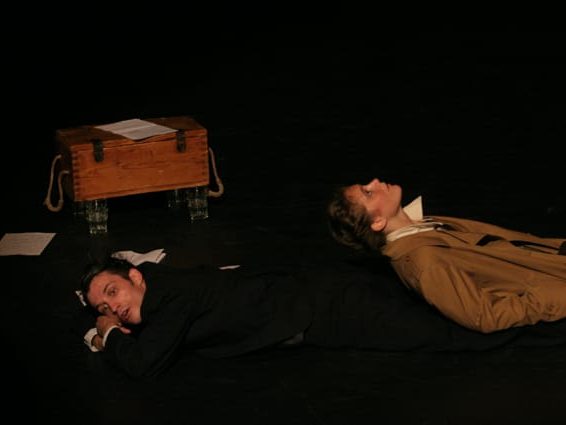
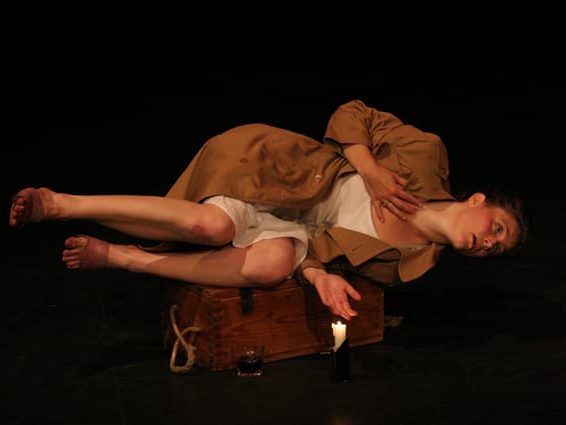
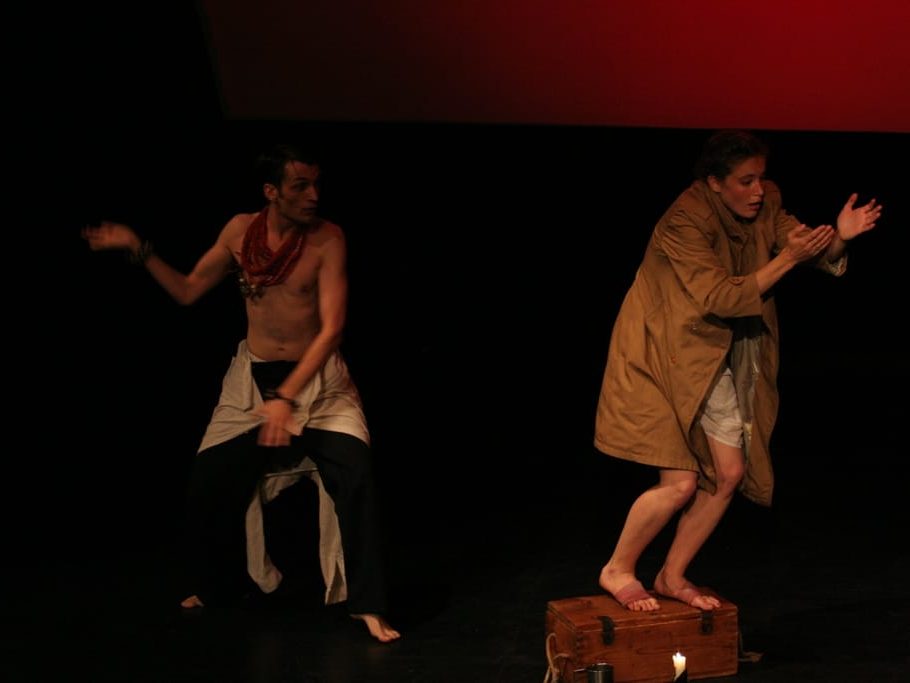
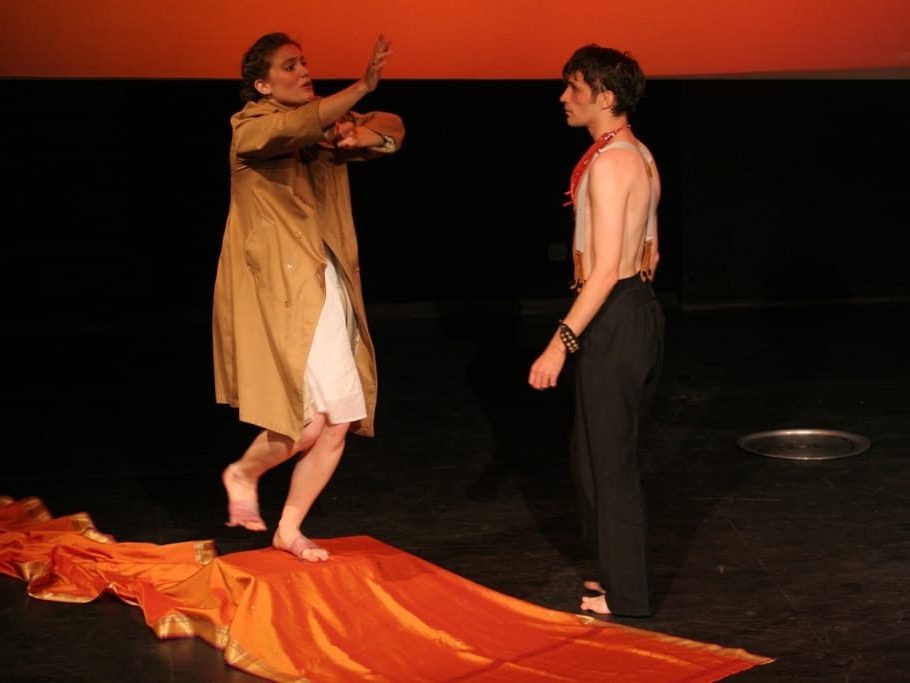
In the play "Seekers", the story of the brother and sister Noor and Vilayat Khan is intertwined with the poetry of Hafiz, a Sufi poet from the 14th century. Raised in the tradition of Sufism and an atmosphere of spirituality and humanity, they are faced with an internal decision in the face of the circumstances of World War II and the persecution of millions of people. How to preserve personal ethics and spirituality and do something concrete to stop evil? How to face the reality of the world and not lose the ideals of spiritual values that are the real force behind action?
Combining poetry and humor, realistically and unreal, the play unfolds as an allegory about the lives of two people who discover the power of personal decision and consistency. [2005]




Background of the play
Every thought
Are you better or worse?
From another man,
It breaks in an instant.
A glass of wine.
(Hafiz)
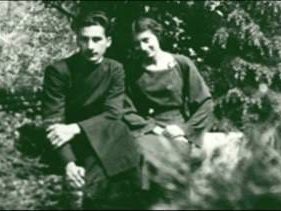
Noor and Vilayat Khan were the children of Nazrat Inyat Khan, a famous Sufi teacher who spread Sufism to the west, arguing for the essential unity of all religions. Noor became the first female secret agent - a radio operator sent to France by British Intelligence in World War II. Like Simone Wail, she believed in the power of action that starts from personal moral values and ethics. She decides to take the risk following a personal sense of responsibility. In extremely risky circumstances, she refuses to return to England and maintains radio contact with the Allies. She is discovered and captured. She was treated as an "extremely dangerous prisoner" because of her persistence and is remembered by all her friends and enemies after the war as an example of tenderness and compassion for other people. She was killed in the Dachau camp in 1944, with a single bullet to the back of the head. After the war Knorr was awarded the highest decorations for bravery in France and England. Vilayat survived the war as a minesweeper in the navy and continued his spiritual path after the war. As the successor of his father and the leader of the International Sufi Order, he stood for love and compassion among people and religions of the world until his death in 2004.
Hafiz
One of the most popular poets of Persia (XIV century), Hafiz, created a unique work on his artistic and spiritual journey, which influenced many intellectuals, writers and artists of later times. Deliberate destruction of clichés of opinion and conventions is the boldness of this poet, which is rare even today. The poetry and thoughts of Hafiz address the individual and his responsibility for creating the image of the world in which he wants to live. He is a poet-painter of different aspects of human nature, hatred, jealousy, war, love, kindness, vanity; games of love feelings, games of pride, all aspects of life. Each verse is a picture, and in each picture, in any color - vanity, pride, vanity, love, mercy or compassion in all its forms - he sees a unique spirit and shows the same love for all the manifestations of this world.
DAH Theater Cenate for Theater Research / Project Jadranka Andjelic
SEEKERS
Direction and dramaturgy: Jadranka Andjelic
Played by: Electa Bahrens (USA) and Janos Bush
Set and costume: Antonella Diana (Italy)
Lyrics: Hafiz "The Gift", Jean Fuller "Noor-un-nisa Inayat Khan (Madeline)", Bhagavad Gita
Organizer: Elizabeta Kurela
Premiere: Belgrade Drama Theatre, March 16, 2005 at 8:30 p.m.
The performance was realized with the help of the Secretariat for Culture of the City of Belgrade
In cooperation with the Belgrade Drama Theatre